The Truth About Tim Montgomerie’s Health Issues
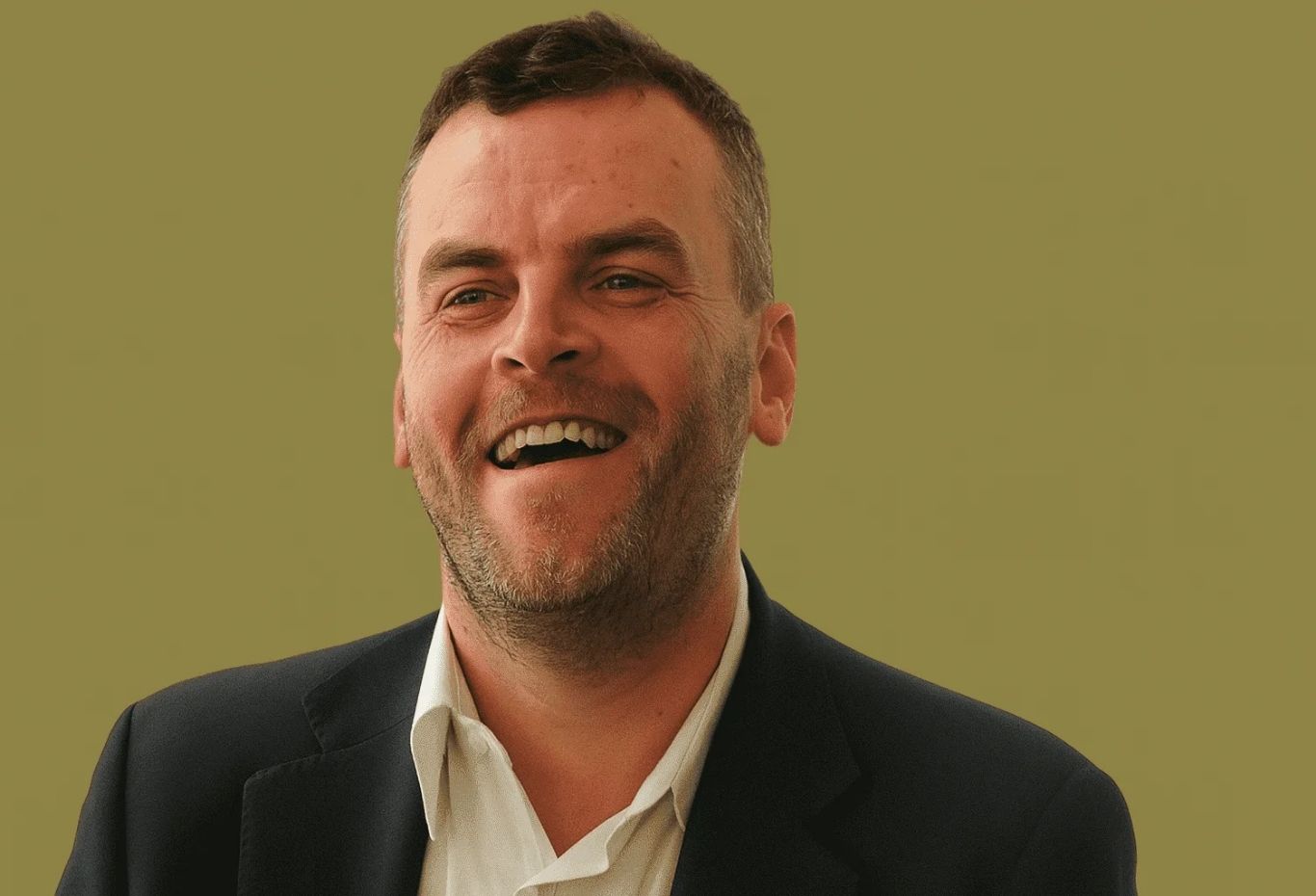
Tim Montgomerie is a name that elicits a mixture of admiration, interest and controversy in political circles. Montgomerie has been an important voice in British conservatism for a long time, with his pithy political commentary and influential blog, ConservativeHome, and his ideological stances have changed over time.
But there’s a new sort of curiosity that’s emerged online in recent years: searches for “Tim Montgomerie health problems.” Some of this interest is coming from people who are really concerned; some of it is coming from those who are misinformed, and social media has amplified the echo chamber.
This page seeks to distinguish fact from rumour by offering a thorough, factual biography of Tim Montgomerie that covers what we know about his health, including his candid admission of mental health issues, without speculation or exaggeration.
Early Life and Family Background
Born 24 July 1970, Barnstaple, Devon, military family. His upbringing in the regimented and transient world of Army families would eventually shape his sense of civic obligation and political identification.
He was educated locally and studied Economics and Geography at the University of Exeter. In Exeter he started to build his world view on social duty, Christianity and conservative beliefs. Friends and academics recall him as thoughtful and articulate, and as someone highly engaged in both political theory and moral philosophy.
Early Political Activities
Montgomerie’s political career started in his university days, when he was involved in conservative youth circles. Christian ethics had a major influence on him and in the early 1990s he co-founded the Conservative Christian Fellowship (CCF), an organisation that aimed to bring faith-based values into the politics of the Conservative Party.
This early move made Montgomerie seem like a bridge between the old moral conservatives and the new social justice section of the party. His latter career would continue to swing between both poles, blending compassion-focused policy advocacy with economic reality.
Founding ConservativeHome: Constructing the New Right
In 2005 Tim Montgomerie created ConservativeHome.com, an early online platform that provided grassroots conservatives a voice beyond the formal channels of the party. Online political commentary was in its infancy at the time, and Montgomerie’s blog rapidly became one of the most prominent in British politics.
He used ConservativeHome to offer research, polling and commentary that informed debate at the top of the party. He was a believer in Conservative values but his readiness to criticise Conservative leadership won him acclaim and sometimes friction within Westminster.
By boosting local voices and holding party insiders accountable, Montgomerie helped modernise the Conservative Party’s digital presence well before social media was widespread.
Centre for Policy Advocacy & Social Justice
At the same time Montgomerie was a co-founder of the Centre for Social Justice (CSJ) alongside Iain Duncan Smith. The research group was focused on topics such as poverty, addiction, family breakdown and welfare reform – issues that were largely disregarded by traditional right-wing politics at the time.
His work at CSJ reflected his idea that conservatism was about more than preserving order. It was about lifting up vulnerable populations. This mix of moral conviction and pragmatic policy was his hallmark style.
Career in Journalism and Commentary
Montgomerie’s influence grew as he moved into the national media. He was appointed a comment editor for The Times in 2013, cementing his position as a major conservative intellectual. His essays were typically a mix of sympathy and critique—calling for integrity in politics, honesty about inequality, and a return to a more grounded, faith-informed conservatism.
He later contributed to other major sites and was a frequent guest on British television, including the BBC, GB News, and Sky News. His media career gave him a wider audience, where he spoke on subjects as varied as Brexit, British social values and the demise of the West.
Mental Health: The Human Face of Politics
One of Montgomerie’s most personal and important contributions to the various public conversations around him is his openness to talking about mental health.
Since the COVID-19 lockdowns, Montgomerie has been open in interviews about his issues with melancholy and how seclusion impacted his sense of purpose. In a world where many public personalities hide their vulnerabilities, he used his platform to normalise honest discourse about mental illness, especially amongst males in politics and media, where stoicism is often considered for strength.
This public confession was much respected. Montgomerie stressed that admitting to mental health problems is not a sign of weakness, but an act of integrity – a message that struck a chord with those who followed him for his political rather than personal views.
By airing the subject he helped humanise a political culture that is too often ruled by ego and hostility. So many others had similar experiences of finding lockdown emotionally challenging, which made him both relatable and brave.
Setting the Record Straight: What We Know About His Health
“Tim Montgomerie’s health problems” have been speculated about in numerous quarters of the internet during the past few years. Some blogs spoke of actual physical sickness; others mixed his mental health conversation with physical diagnoses.
Let me be clear:
- There is no credible or verifiable proof of any major or chronic physical ailment impacting Tim Montgomerie.
- Nothing except information is known of his forthright sharing of mental health struggles, including despair and anxiety connected to the pandemic years, from his own public utterances. There is no report of chronic physical ailment, impairment or disease.
Misinformation occurs from a number of predictable factors:
- Visual assumption – People are typically judged on their appearance on camera. Signs of tiredness or slower speech can easily lead to false assumptions about health.
- Echo chambers: Once a rumour is online, even if it’s not true, it is reproduced by other sites looking for clicks.
- Name misunderstanding – Some users confuse “Tim Montgomerie” (the UK pundit) with “Tim Montgomery” (the American sprinter implicated in a doping scandal). This adds another layer of missinformation.
- Mental health stigma – Sometimes, when mental health is discussed in public, it is mistaken for indicators of more serious illness.
In fact, the fact that Montgomerie was so honest about his despair was an act of heroism, not a sign of decline.
Public Burnout & Work-Life Balance
Montgomerie has worked in media, politics and activism – all high pressure sectors that can lead to stress and burnout. With the 24-hour news cycle and the incessant political battles and social media fire, even the toughest public personalities can get worn down.
The willingness to take a step back and talk about their mental wellbeing is consistent with a broader trend of important voices in politics recognising the need for balance and recuperation.
He has spoken about the necessity of relaxation, spirituality and community as the cornerstone of personal stability. His musings on mental health are not a sign of weakness but of maturity: an understanding that long-term political involvement requires emotional strength.
Political Realignment & Personal Convictions
In 2024 Tim Montgomerie hit the news by making a public break from the Conservative Party and joining Reform UK. His longstanding roots in Tory politics startled many with the change.
Montgomerie said he had come to believe that the Conservative Party had lost its way from its original values and was failing to offer cultural regeneration, national integrity and social stability. He believed Reform UK to be a more authentic vehicle for political reform and national discourse.
His resignation also sparked suspicion about his health, as such momentous political changes typically do. There has been no factual basis for the web speculation suggesting “health reasons” driving his realignment. His action was plainly ideological, not medical.
Personal life and beliefs
Faith was always important to Tim Montgomerie’s worldview. A practicing Christian, he has often spoken about the moral dimensions of politics, and the significance of forgiveness, humility and compassion in leadership.
He is a little reticent about his personal life but has spoken of his spiritual practices and belief in community as crucial supports throughout difficult times, particularly his mental health difficulties.
“Faith keeps me grounded when everything else is up in the air,” he told an interviewer. The phrase summarises his strength and viewpoint on personal issues.
Reception and Legacy
Reactions to Montgomerie’s career have been varied. His admirers are full of praise for his independence, integrity and brilliance. His critics regard him as unpredictable, sometimes racing ahead philosophically of his audience. But even his critics agree he is one of Britain’s most important conservative intellectuals.
His focus on moral rebirth, cultural identity and honest journalism has resonated with people tired of polarisation and trite political discourse in recent years.
In speaking out publicly about his mental health, he has also enlarged his legacy beyond politics, demonstrating that vulnerability and leadership can go hand in hand.
Accountability and Privacy in Public
It is normal to be curious in public figures. It is equally necessary to know where to draw the line. Health is very personal, whether physical or mental. The media and audiences have an ethical responsibility to examine such issues with respect and verified context.
In the case of Montgomerie the facts are simple:
- He has talked about mental health issues.
- Patient has not reported any major physical illness.
- There is no reliable source for assertions made online.
As readers and citizens we owe it to the subject and to ourselves to handle such matters with empathy and prudence.
Present Work and Future Outlook
Tim Montgomerie is still in politics as of 2025 providing commentary, interviews and podcasts. He is still a distinctive voice in the British media, not prepared to challenge orthodoxy, whether from the left or the right.
His intellectual curiosity and moral integrity have won him respect on both sides of the ideological divide. Whether it’s culture, legislation, or personal faith, he infuses every discussion with subtlety that is informed by his experiences of hardship and accomplishment.
Montgomerie’s more recent appearances have focused on the necessity of truth, humility and rebirth in political life. In an era of cynicism, his message strikes a chord.
In fact, his openness about mental health has only increased his reputation, reminding listeners that authenticity is a rare and valuable quality in public debate.
What His Story Means to Us
Tim Montgomerie’s experience points to a bigger fact about modern life. The public personalities are often reduced to headlines, memes and gossip, yet behind each name is a human being dealing with the same constraints as everyone else.
By accepting his mental health odyssey, Montgomerie stepped out of the political pundit role and into being a beacon of strength and candour in a society that is often fake.
His tale is inspiring other professionals, especially those in high-stress sectors, to take their mental health seriously and to reject the stigma around mental illness.
Summary
As far as the public record goes, the health difficulties Tim Montgomerie has suffered are related to the mental health battles he went through during the epidemic – battles he has spoken out about bravely. There is no verified information of any major bodily ailment or chronic medical condition whatsoever beyond this.
To characterise him by rumour is to miss the far broader tale of a man of substance, a writer and thinker and man of religion who continues to change, publicly and privately.
His narrative is not one of fragility, but of resilience—the story of a guy who acquired power through conviction, who confronted personal lows with honesty, who still uses his position to promote real discourse about politics, culture, and the human condition.
Montgomerie’s example is a reminder that in an era of digital misinformation, truth, integrity and vulnerability remain the most effective instruments a public figure has to wield.








Post Comment
You must be logged in to post a comment.